These Terms set out how we supply products and services to you, including your legal rights and obligations. By using this website or placing an order, you accept all the provisions in full. By agreeing to these Terms at checkout, you also confirm that you have read and agree to our Refund Policy, Cancellation Policy, and Shipping Policy, all of which form part of your agreement with Venneir Limited.
1. Who We Are and How to Contact Us
Venneir Limited (Company No. SC622322), registered in Scotland
Registered Office: Unit 1/1, 1st Floor, The Sinclair Building, 18-20 Eagle Street, Glasgow, G4 9XA
Business Address: Venneir, 46 Merry Street, Motherwell, North Lanarkshire, ML1 1LY
We will contact you using the details you provide at the time of ordering.
2. Our Products
We offer:
- Custom-made dental appliances based on your impressions, created by qualified professionals in compliance with UK regulations
- Standard retail dental products such as toothpaste, mouthwash, and tongue scrapers
3. Appliance Terms
Our custom appliances are designed for cosmetic enhancement. Fit may vary based on dental anatomy and impression quality. As appliances are manufactured directly from customer-submitted self-impressions, the final fit and finish of the appliance is contingent on the accuracy of those impressions. Venneir manufactures to the impression data provided and cannot guarantee fit where impressions do not accurately reflect the customer's dental anatomy.
4. Retail Products Terms
Retail items are sold as is. They must be used according to instructions. Faulty items are handled under UK consumer law. Returns are accepted only if unopened and within 14 days.
5. Click-In Veneers: Eligibility & Refund Policy
These are cosmetic appliances only and not intended to correct tooth alignment. Before ordering, you must confirm:
- You understand they are cosmetic only
- Your dental profile qualifies according to the questionnaire
- You have verified eligibility and accepted our Terms
If incorrect information is supplied, cancellation will result in a £125 fee, deducted from any refund as allowed under UK law for bespoke goods, even though cooling-off rights do not automatically apply.
6. Your Responsibilities
You must provide accurate impressions, photos, and health information. If impressions are unusable due to inaccuracy, a new kit must be purchased. Mistakes or misrepresentation may result in cancellation or additional charges.
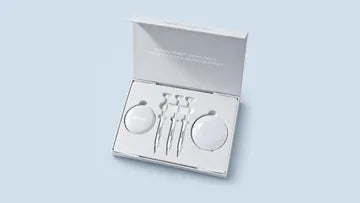
Our impression kits are self-impression kits, designed to be completed by you at home without professional assistance. By purchasing and using an impression kit, you acknowledge that you are taking your own impressions at your own discretion and accept full responsibility for the quality and accuracy of the impressions you submit. Venneir is not present during the impression-taking process and cannot be held responsible for errors, inaccuracies, or failed impressions resulting from the self-impression process.
The quality of your finished appliance is directly dependent on the quality of the impressions you submit. Poor, inaccurate, or incomplete impressions will affect the fit and finish of your appliance. It is your responsibility to follow the impression instructions carefully and thoroughly before submitting. Venneir strongly recommends watching the impression guide in full before opening your kit.
If you are unsure about your ability to take accurate impressions at home, we offer a walk-in clinic service where impressions can be taken by our team. If you choose to proceed with a self-impression kit instead, you accept the associated risks and acknowledge that any fit issues arising from impression quality are outside of Venneir's control and do not qualify for a remake under the Warranty and Remake Policy in Section 10.
By submitting your impressions or scans to Venneir, you confirm that manufacturing has commenced and that the order is final. Submission of impressions constitutes your instruction to proceed with manufacture. No cancellation rights apply from this point.
Each order is strictly for one customer only. We cannot manufacture appliances for multiple people from a single order. If you need to order for two or more people, you must place separate orders for each individual. Placing a single order for multiple people is a breach of these Terms and may result in cancellation and a £125 fee.
7. Health, Safety & Appropriate Use
Not suitable for children, orthodontic users, or those with loose dental work, gum disease, or TMJ issues. If discomfort or damage occurs, stop use and see your dentist. Keep appliances below 30 °C.
8. Allergies
If you have allergies to silicone or other materials, inform us in advance. We cannot advise, and are not liable, if not notified.
9. Fixed Retainers and Other Dental Work
Our appliances may be worn with fixed retainers or other dental work. However, we do not accept liability for any damage to existing dental fixtures during impression taking or use. Ensure all dental work is stable before using our products. The 1.5mm thickness is not recommended for those with composite bonding or veneers. In such cases, we strongly recommend selecting the 1mm thickness option for optimal comfort and safety.
10. Warranty & Remake Policy
If your appliance does not fit correctly due to a confirmed manufacturing or fit defect, we offer one complimentary remake as a goodwill gesture. Remakes are only available where the issue relates to a manufacturing defect or a demonstrable fit problem with the appliance as produced. Remakes are not available for reasons including but not limited to: change of mind, aesthetic preference, odour, colour, dissatisfaction unrelated to manufacturing, or issues arising from inaccurate impressions submitted by the customer.
This remake offer is subject to the following conditions:
- You must notify us within 14 days of receiving your appliance.
- You must provide clear video evidence showing:
- The appliance being inserted and removed from your mouth
- A close-up view of how the appliance fits or does not fit
- A brief verbal explanation of the issue
- You must return the original appliance and all items that came with it
We may request new impressions or scans before proceeding with the remake. Only one remake is permitted per order.
If the second appliance still does not fit, no further remakes or refunds will be offered. At this stage, the product has been manufactured precisely to the impression or scan data you provided. Fit issues at this point are due to factors outside of our control, such as changes in your dental profile, limitations in your anatomy, or inaccuracies in the impression you submitted.
It is your responsibility to ensure that your impressions or scans are accurate and taken according to our guidance. We strongly recommend reviewing our impression guide and seeking professional advice before placing an order if you have any doubts.
By submitting evidence such as photos or videos as part of a remake or complaint request, you confirm that the evidence is accurate and a true representation of the issue. All evidence submitted becomes part of the permanent order record and may be used by Venneir in any subsequent dispute or chargeback proceedings.
11. Appliance Coverage Area
All retainers, guards, whitening trays, and veneers are designed to cover teeth up to and including the second back teeth (second molars). They do not extend to wisdom teeth. This is the professional standard for dental appliances and provides optimal fit, comfort, and retention. Extending further back can cause gagging, poor fit, and unnecessary bulk without added benefit.
This design specification is intentional and is not considered a defect. It is not eligible for refund or remake.
12. Thickness Variations in Appliances
All dental appliances naturally have variations in thickness due to the contoured shape of teeth and bite patterns. The material forms differently across high and low points of dental anatomy, resulting in slight thickness variations throughout the appliance.
This is normal in professional appliance manufacturing and does not affect protection or performance. Uneven thickness is not considered a manufacturing defect and is not eligible for refund or remake.
13. Cooling-Off Period & Returns
Cooling-Off Period
Although UK distance selling rules typically offer a 14-day cancellation right, bespoke custom-made goods are exempt under the Consumer Rights Act 2015. Further information can be found at www.gov.uk/accepting-returns-and-giving-refunds. We do not offer refunds on custom products once manufacturing has commenced.
Nonetheless, we voluntarily offer a 14-day cooling-off period from the date the impression kit is delivered, provided the kit remains unopened and unused. You may cancel by contacting us. A £25 restocking fee will be deducted from your refund. You must return the kit at your own expense. Once the kit is used or impressions have been submitted, the cooling-off period ends and the order is final.
Post-Cooling-Off Cancellation (Pre-Manufacture)
If you cancel after the cooling-off period but before manufacture begins, a £125 cancellation fee will apply. This fee reflects administration and loss of production resources. If your order value is less than £125, your refund will be capped at the order value.
Product Exchanges and Order Changes
Where a customer requests to change their order from one custom-made product to a different custom-made product, and that change is approved by Venneir before manufacturing has commenced, the new product will be manufactured in place of the original. If the value of the replacement product is lower than the original order value, any difference will be issued as store credit to be used against a future purchase with Venneir. The difference in value will not be refunded in cash or to the original payment method. Store credit has no expiry date and can be applied at checkout on any future order.
False or Incomplete Information
If cancellation is due to supplying false or misleading information, the £125 cancellation fee applies. If your information was accurate but your case is deemed unsuitable, you will receive a full refund.
Defective Appliances
If an appliance is defective, and you provide required evidence and return all items as specified in section 10, we will offer one complimentary remake. If the defect persists, please refer to section 10.
Payment Disputes and Chargebacks
If you initiate a chargeback or payment dispute with your bank or card issuer for an order that does not meet the eligibility criteria set out in these Terms, Venneir reserves the right to contest that dispute and submit all relevant evidence to the card network, including order data, communications, delivery records, and impression submission records.
Initiating a payment dispute does not constitute a valid cancellation or return request under these Terms. Where a chargeback is found to be without merit, Venneir reserves the right to seek recovery of any associated dispute fees and costs incurred as a result of the claim.
Customers who initiate fraudulent or unjustified payment disputes may be permanently blocked from placing future orders with Venneir.
14. Shipping & Delivery
We are not liable for delays or loss once items have been dispatched. Any delivery issues must be reported within 10 days of the estimated delivery date. Any deliveries authorised to be left in a safe place are made entirely at your own risk, and Venneir accepts no liability for loss or damage in such circumstances.
A successful delivery scan from our courier, confirming delivery to the address provided at checkout, constitutes proof of receipt. Venneir uses tracked courier services and GPS-confirmed delivery records as standard. This delivery confirmation forms part of the order record and will be relied upon in the event of any dispute.
Returned parcels due to failed delivery, incorrect address, or failure to collect may incur reshipping charges. Mainland UK return shipping costs may be refunded up to £4 where applicable. You are responsible for all customs duties and import taxes on international orders.
15. Order Formation & Changes
A contract begins upon our order confirmation email. We may cancel for misuse, nonpayment, chargebacks, or unsuitable impressions. Changes are permitted only before manufacturing commences.
15a. Billing and Payment Recognition
All charges will appear on your bank or card statement under the name Venneir Limited. By placing an order, you confirm that you recognise this billing name and that any transaction processed under this name by you or with your card is authorised. If you do not recognise a charge, please contact us at cs@venneir.com before initiating a dispute with your bank.
16. Pricing & Errors
Prices include VAT where applicable. We reserve the right to correct pricing errors before order acceptance, and will inform you promptly.
17. Intellectual Property
All content, trademarks, and designs on this site are owned by Venneir. You may not copy or misuse them.
18. Force Majeure
We are not liable for delays or failures caused by circumstances beyond our control, including natural disasters, pandemics, or courier disruptions.
19. Medical Disclaimer
Information on our site is for general use only and not medical advice. Consult your dentist for any health concerns.
20. Liability Limitation
Except for death or personal injury caused by our negligence, our liability is limited to the amount you paid. We are not liable for indirect or consequential losses such as dental fees, loss of earnings, or emotional distress.
21. No Responsibility for Tooth Movement
Retainers are passive devices intended to help maintain the current position of your teeth. We do not accept responsibility for any tooth movement, relapse, or changes in dental alignment that may occur during or after use. You are responsible for wearing your retainers as advised by your dental professional and for monitoring any changes with your own dentist or orthodontist.
22. Governing Law
These Terms are governed by UK law and disputes will be resolved in UK courts. By accepting these Terms, you confirm that you have read and understood all provisions, including those relating to the custom-made goods exemption under the Consumer Rights Act 2015, the cancellation policy, and the payment dispute provisions set out in Section 13.
23. Contact Us
For questions or clarifications, reach us at cs@venneir.com.


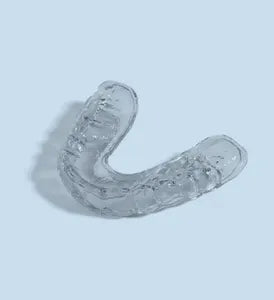
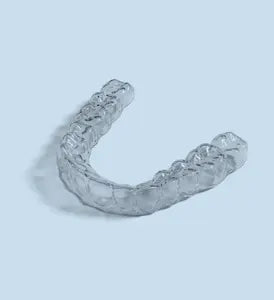
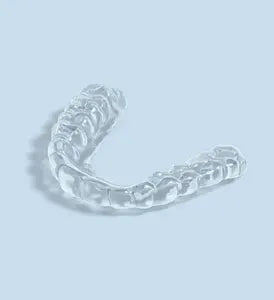
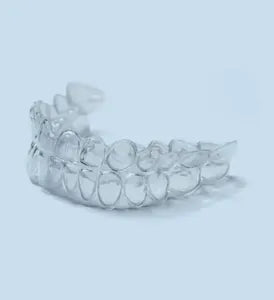
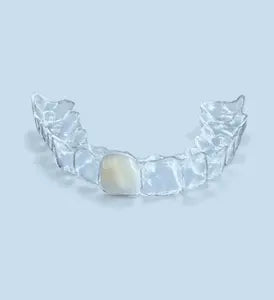
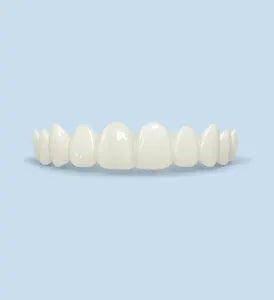

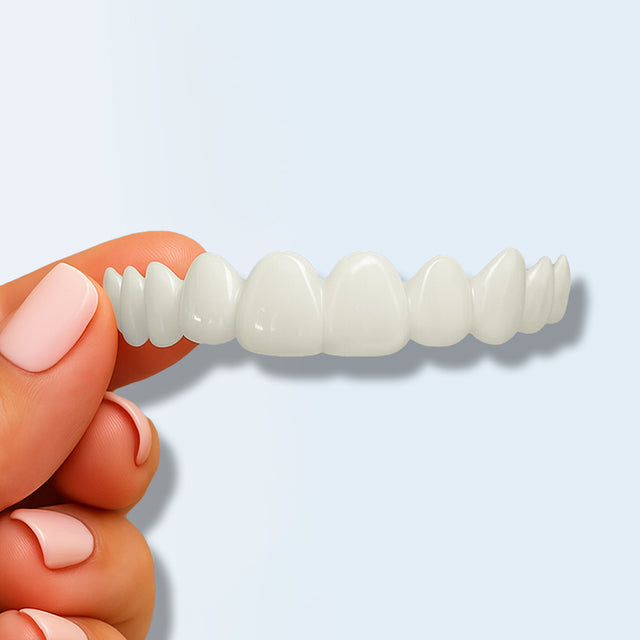

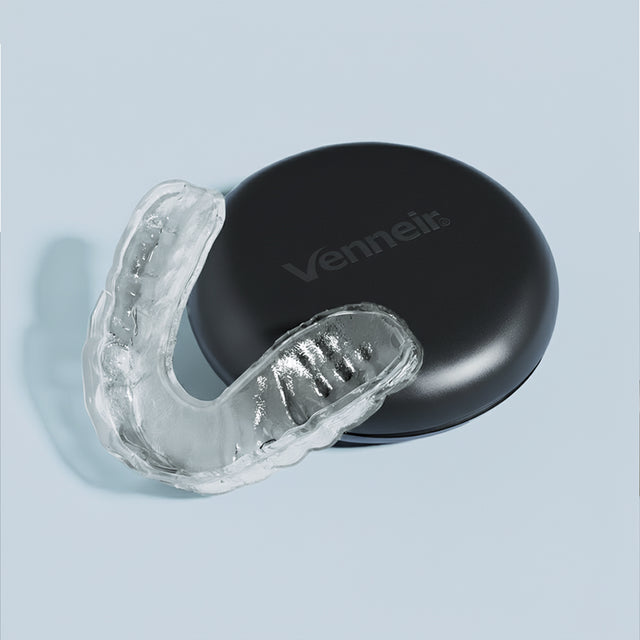










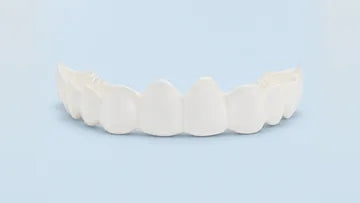
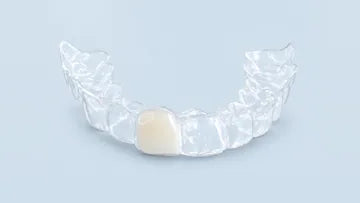
 Our click in veneers
 Before
 After: Click in veneers
 Our click in veneers
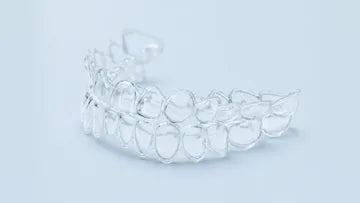
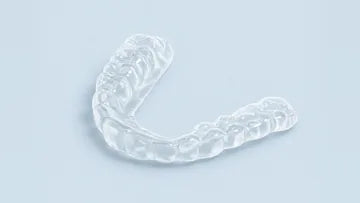


 Upper Impression Tray
 Lower Impression Tray